
On a map, Sri Lanka looks small enough to take in at a glance. On the ground, it can hold two very different days at once. The east coast might have clear skies and a calm sea while rain sweeps across the south-west, half a day’s drive away.
Behind that split are two monsoons, two inter-monsoon periods, and a mountainous centre that catches the rain on one side and leaves the other dry. Together, they give each region its own travel calendar.
That works in your favour. Whatever month you’re travelling in, there’s almost always a part of Sri Lanka in its best season.
Let’s dive deeper.
| When to go | Where | What to expect |
|---|---|---|
| January to April; September | 🗺️ Multi-region trips through the south-west coast, Hill Country, and Cultural Triangle | ☀️ Good conditions across most of the island, with April and September working for both coasts |
| December to March | 🏖️ South-west coast: Colombo, Galle, Bentota, and Mirissa | 🌊 Drier weather, calmer seas, and the best swimming conditions of the year |
| May to September | 🏄 East coast: Trincomalee, Pasikuda, and Arugam Bay | ☀️ Sunny beach days, calmer water, and the main east-coast surf season |
| May to September | 🏄 East coast: Trincomalee, Pasikuda, and Arugam Bay | ☀️ Sunny beach days, calmer water, and the main east-coast surf season |
| February to September | 🛕 The north: Jaffna and its islands | 🌡️ Dry weather for exploring, though May to August can be very hot |
| January to April | ⛰️ Hill Country: Kandy, Nuwara Eliya, Ella, and Haputale | 🧥 Cooler, clearer days for walks, viewpoints, and tea-country scenery |
| January to March; July to September | 🏛️ Cultural Triangle: Sigiriya, Anuradhapura, Polonnaruwa, and Dambulla | 🌤️ Comfortable sightseeing early in the year, or drier but hotter conditions mid-year |
| December to May | 🏔️ Adam’s Peak (Sri Pada) | 🌄 Main pilgrimage season, with most people climbing overnight to reach the summit for sunrise |
| February to September, depending on the park | 🐘 National parks: Yala, Minneriya, Udawalawe, and Wilpattu | 💧 Drier landscapes that draw wildlife to the remaining water |
| May to June; September to November | 🧳 Regions in their quieter season | 🌧️ More rain in some regions, but good value if your plans are flexible |
Note: Weather patterns are a guide. Tropical showers can arrive outside the usual monsoon periods, and rain often falls heavily for a short time before the sky clears. So pack for the trip accordingly!
Best Time to Visit Sri Lanka: At a Glance
Understanding Sri Lanka Seasons and Monsoons
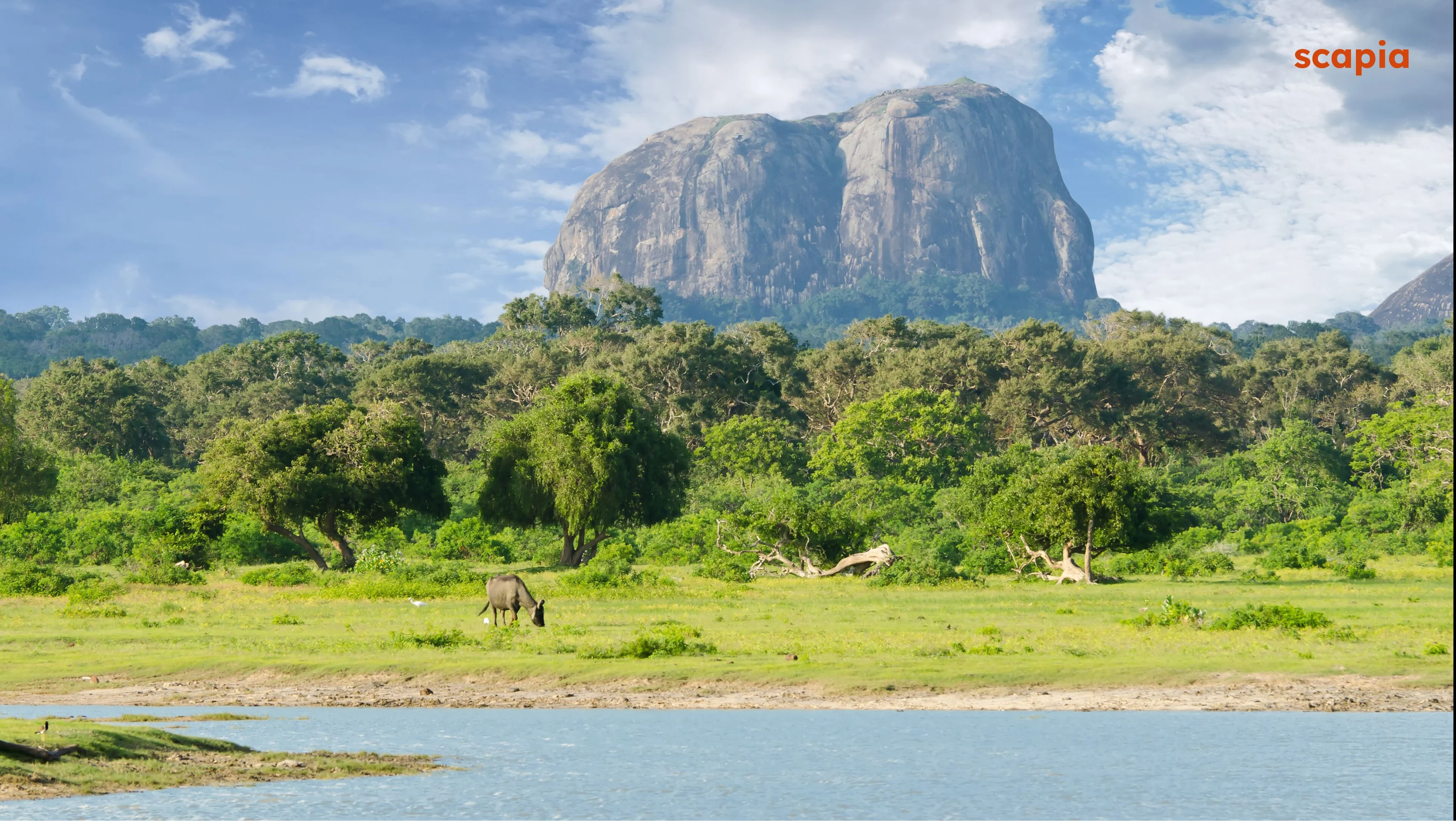
Sri Lanka lies close to the equator, so coastal and lowland areas stay warm all year. The biggest seasonal difference is rainfall.
The Northeast Monsoon: December to February
The northeast monsoon mainly affects the north and east. The south and west coasts are usually sunnier at this time, so beach towns such as Bentota, Hikkaduwa, Unawatuna, and Mirissa are popular from Christmas into the early months of the year.
The First Inter-Monsoon: March to April
March and April are a transitional period. Much of the country gets warm, humid weather with afternoon or evening thunderstorms, so mornings are often the best time for sightseeing. April also brings one of the island’s most joyful cultural occasions: Sinhala and Tamil New Year.
The Southwest Monsoon: May to September
The southwest monsoon, often called the Yala monsoon, brings rain to Colombo, the south-west coast, and parts of the central highlands. Meanwhile, the east and north generally enjoy drier conditions. This seasonal reversal opens up Arugam Bay, Pasikuda, Trincomalee, and Jaffna.
The Second Inter-Monsoon: October to November
October and November are the least predictable months. Heavy rain and thunderstorms are common, sometimes with rough seas. On the bright side, the landscape turns intensely green, crowds are thinner, and clear spells still come through, so just keep your plans flexible.
Best Time to Visit Sri Lanka by Region
South and West Coasts: December to March
The coast stretching from Negombo and Colombo to Bentota, Galle, Weligama, and Mirissa is usually at its best from December to March. The sea is calmer, humidity is a little lower, and beach days are easier to plan.
This part of the island holds several layers of history.
Galle Fort was first built by the Portuguese in the 16th century and extensively fortified by the Dutch before passing into British hands. Today, its ramparts, churches, warehouses, anUnderstanding Sri Lanka Seasons and Monsoons courtyard houses are home to cafes, galleries, and small hotels.
An evening walk along the walls is particularly rewarding in the drier months, when the sunset is less likely to disappear behind rainclouds. Make your way to Flag Rock bastion around sunset, when local divers leap from the ramparts into the sea for a small tip from onlookers.
December and January attract the largest crowds, particularly around Christmas and New Year.
February and March tend to be a little quieter, and the coastal conditions are still good.
From May onwards, the sea becomes rougher and some swimming areas may be unsafe. Follow local flags and lifeguard advice rather than judging the water from the shore.
East Coast: May to September
The east coast is at its best from May to September. Trincomalee, Nilaveli, and Pasikuda generally get more sunshine, while Arugam Bay enters its main surf season.
Trincomalee’s immense natural harbour has drawn traders, colonial powers, and naval strategists for centuries. The city also has deep Tamil and Hindu roots, seen most clearly at the Koneswaram Temple on Swami Rock. Nearby beaches add a gentler rhythm to a historically rich stop. From Nilaveli, boats cross to Pigeon Island National Park, where you can snorkel over coral and often spot blacktip reef sharks.
Farther south, Arugam Bay attracts surfers from around the world. If you’re an experienced surfer, head for Main Point; if you’re still learning, nearby breaks are often easier. July and August are lively and busy, whereas May, June, and September can feel more relaxed.
North and Jaffna: May to September
The northern peninsula is generally dry from February to September, and May to September makes it easy to pair with the east coast. Jaffna has a distinct cultural landscape shaped by Tamil traditions, temples, colonial history, and a cuisine built on spices, seafood, and local ingredients such as palmyrah. Order a Jaffna crab curry, and look out for odiyal kool, a rich seafood broth thickened with palmyrah flour.
The 17th-century Jaffna Fort reflects successive Portuguese, Dutch, and British influence. Outside the city, the islands and coastal roads invite unhurried exploration, although the midday heat can be intense. Start early, carry water, and save indoor attractions for the hottest hours.
A trip between late July and early September may coincide with the Nallur Festival at Nallur Kandaswamy Kovil. The festival follows the Tamil calendar, so confirm the dates before you book.
Hill Country: January to April
Kandy, Nuwara Eliya, Ella, and Haputale are cooler than the coast throughout the year. January to April usually brings the clearest conditions for train journeys, viewpoints, and walks, though you can still get rain in the mountains.
The Hill Country tells a different chapter of Sri Lanka’s story. Kandy was the capital of the island’s last independent kingdom and resisted European control until the Kandyan Convention of 1815. The Temple of the Sacred Tooth Relic is the kingdom’s most visible legacy. Time your visit for the evening puja, when drummers fill the temple and worshippers file past the relic chamber with offerings of flowers.
Nuwara Eliya can feel cool at night, especially from December to February. Ella is generally warmer, but clouds and showers can arrive quickly. If you’re staying in Ella, climb Little Adam’s Peak at sunrise, an easy walk of under an hour, before the clouds settle in. Pack a light jumper and a rain layer, even when the coast is hot.
Cultural Triangle: January to March and July to September
The Cultural Triangle connects Anuradhapura, Polonnaruwa, and Kandy, with Sigiriya and Dambulla among its best-known stops. January to March brings comfortable sightseeing weather. July to September also works, though it’s hotter.
Anuradhapura is best known as the centre of one of South Asia’s great early civilisations, supported by a sophisticated network of reservoirs and irrigation channels. Don’t miss its great stupas and the sacred Sri Maha Bodhi tree.
Visit the major outdoor sites soon after they open. For the classic view of Sigiriya itself, climb neighbouring Pidurangala Rock at sunrise.
Sigiriya’s exposed stairways get hot by late morning, and the stone ruins of Polonnaruwa offer little shade. You will need to cover your shoulders and knees at religious places, and remove shoes and hats where indicated.
Sri Lanka Weather by Month
Best Time to Visit Sri Lanka Based on Experiences
| When to go | Where to go | What to expect |
|---|---|---|
| January | 🏖️ Galle, Mirissa, Bentota, and Colombo; Kandy and Nuwara Eliya for cooler sightseeing | ☀️ Dry and sunny in the south and west; cool in the hills; rain may linger in the east and north |
| February | 🗺️ Multi-region itineraries, the south coast, Sigiriya, Kandy, Ella, and Yala | ☀️ One of the best all-round months, with dry weather across the south, west, and interior |
| March | 🐋 Mirissa for whale watching, the Cultural Triangle, Ella, and Horton Plains | 🌤️ Hotter but still favourable; the Hill Country starts to warm |
| April | 🎉 Cross-country trips early in the month; Nuwara Eliya, which hosts its busy holiday season around New Year | ⛈️ Hot and humid, with afternoon storms building later in the month |
| May | 🏮 Trincomalee, Pasikuda, and Jaffna; Colombo and Kandy for Vesak | 🌦️ The southwest monsoon begins; the east and north start to dry out |
| June | 🏄 Arugam Bay, Trincomalee, and Jaffna; Anuradhapura and Mihintale for Poson | 🌧️ Wet in the south-west and western hills; drier in the east and north |
| July | 🐘 Arugam Bay, Trincomalee, Ella, Minneriya, and the Cultural Triangle | ☀️ Good east-coast weather; lighter, intermittent rain in the south-west |
| August | 🥁 East-coast beaches, Kandy for the Esala Perahera, and Jaffna for the Nallur Festival | 👥 Busy holiday period; the east and north remain strong choices |
| September | 🌴 Arugam Bay early in the month, Jaffna, Minneriya, and better-value stays | 🌦️ The east-coast season winds down; rain picks up again in the south-west |
| October | 🧘 Flexible itineraries, wellness retreats, and lush Hill Country scenery | 🌧️ One of the wettest and least predictable months across the island |
| November | 🐋 Colombo and Galle late in the month; Mirissa as the whale-watching season begins | 🌦️ Changeable as the northeast monsoon sets in; the south-west improves later in the month |
| December | 🏖️ Bentota, Galle, Mirissa, and Adam’s Peak from the December full moon | ☀️ The south and west enter peak season; the east turns wet |
Beach Holidays
Sri Lanka’s two-coast rhythm makes a beach holiday possible in most months:
- South and west coasts: December to March
- East coast: May to September
- North-west around Kalpitiya: Generally December to March for drier conditions; if you kitesurf, go in the windy season, mainly May to October
Popular southern beaches get busy during the northern hemisphere winter. For a quieter stay, consider smaller beach towns outside the main resorts, and always check swimming conditions locally.
Surfing
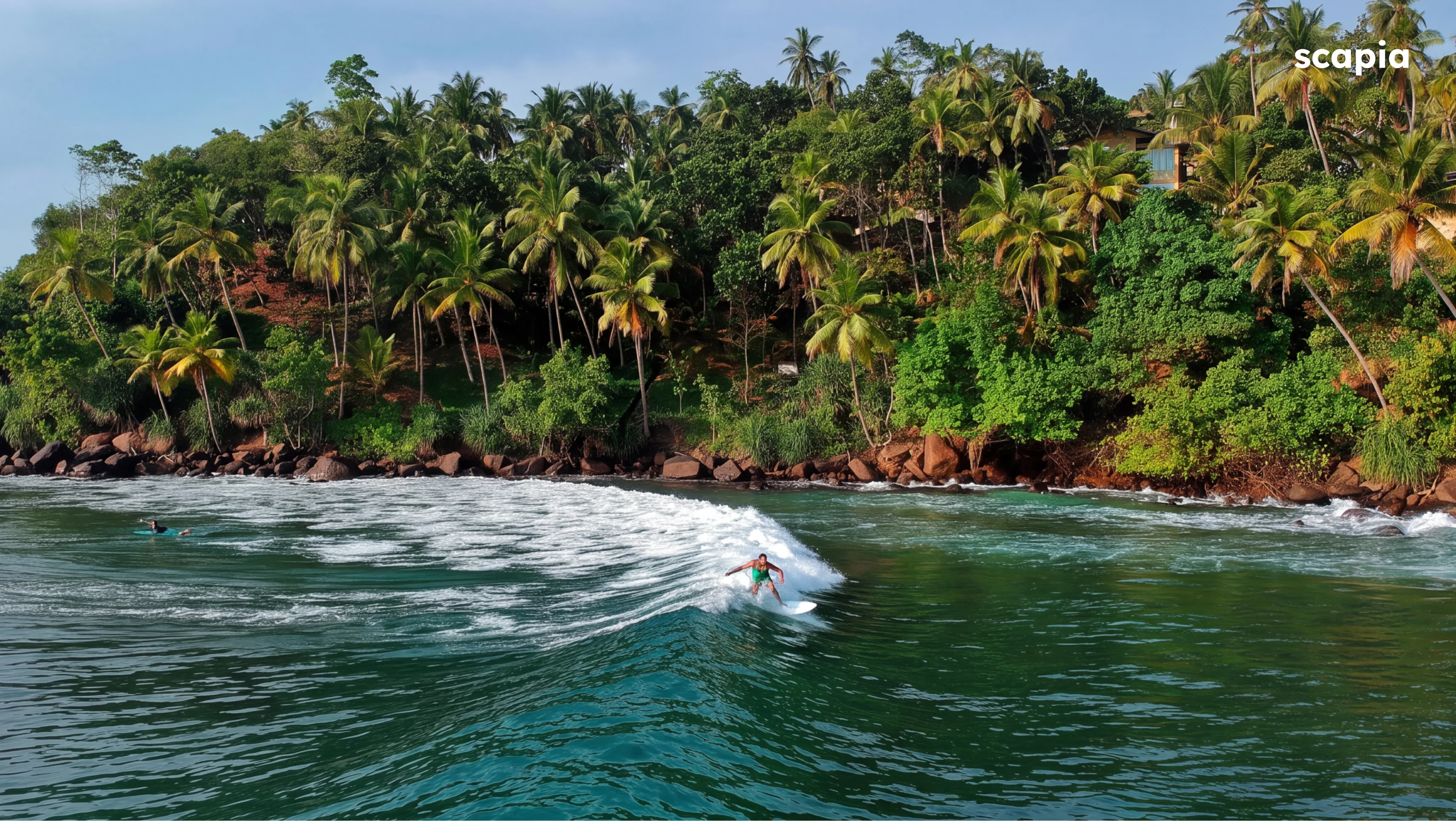
For Weligama, Hiriketiya, and other south-coast surf spots, November to April is the main season. Weligama’s broad bay is good if you’re a beginner, while the reef and point breaks nearby are better once you’re more experienced.
Arugam Bay’s season generally runs from May to September, peaking mid-year. Lessons and board rentals are easy to arrange, but pick an operator that matches the break to your ability rather than taking everyone to the same spot.
Wildlife Safaris
The best time for a Sri Lanka wildlife safari depends on both the season and the park. As the landscape dries, elephants, deer, and other animals tend to gather near the remaining water sources.
- Yala: Most popular from February to July; the park, or individual blocks, may close temporarily during the driest period.
- Udawalawe: A strong year-round option for elephants, though conditions vary after rain.
- Minneriya and Kaudulla: July to October is known for large elephant gatherings, although herds move between the parks depending on water and grazing.Go on an afternoon safari, when the elephants come down to the water’s edge.
- Wilpattu: Often rewarding in the drier months, with its natural lakes supporting varied wildlife.
Sightings are never guaranteed. Responsible guides keep their distance and avoid surrounding animals, so don’t push your driver to race towards a reported sighting.
Whale Watching
The south-coast whale-watching season around Mirissa generally runs from November to April. On the east coast, Trincomalee becomes a better base during the middle of the year.
Choose an operator that follows responsible viewing practices: boats shouldn’t cut across an animal’s path, get too close, or chase whales for long periods. Sea conditions matter as much as the calendar, so keep a spare morning in case rough water cancels your trip.
Hiking and Scenic Train Journeys
For Ella, Haputale, Horton Plains, and the wider Hill Country, January to April is usually the best period for walking and views. Start early to beat the heat, cloud, and afternoon showers. At Horton Plains, aim to reach World’s End by mid-morning, before mist rolls in over the drop.
The pilgrimage season for Sri Pada, or Adam’s Peak, runs from the December full moon to Vesak in May. During the season, you climb through the night alongside pilgrims to reach the sacred summit around sunrise. Most people set off from Dalhousie around 2am for a climb of several thousand steps, so pack a warm layer for the cold wait at the top. The mountain carries meaning across several faiths, and the route can be crowded around full moons and weekends, so treat it as a living pilgrimage rather than just a hiking challenge.
The Kandy–Ella railway is scenic in every season, but mist and heavy rain can obscure views or affect services. Sections of the line are still suspended after severe track damage from Cyclone Ditwah in late 2025, and full through-train service isn’t expected until late 2026 or early 2027. Check which sections are running before you plan around it. Reserve seats when you can, but remember that the journey’s character lies as much in the small stations, tea slopes, and local passengers as in getting that doorway photograph.
Heritage and Cultural Exploration
January to March is ideal for combining Anuradhapura, Polonnaruwa, Sigiriya, Dambulla, and Kandy. April and the mid-year months also work if you start early and keep your afternoons slow.
Plan around Poya, the monthly full-moon holiday. Buddhist temples become especially active, public transport can be busy, and alcohol sales are generally restricted. It can be a deeply atmospheric time to visit, as long as you dress respectfully and give worshippers space.
Sri Lanka Festivals Worth Planning a Trip Around
.webp)
Sri Lanka’s festivals reflect its Buddhist, Hindu, Muslim, and Christian communities, as well as the island’s shared agricultural traditions. Many dates follow lunar or religious calendars and change each year, so confirm them before you book transport and accommodation.
Thai Pongal: January
Tamil communities celebrate Thai Pongal as a harvest festival of thanks to the sun, cattle, and the land. Families decorate their homes with intricate kolam patterns and ceremonially cook rice with milk until it boils over, a sign of abundance. If you want to experience it, head to Jaffna or Tamil communities in the north, east, or Hill Country.
Maha Shivaratri: February or March
Maha Shivaratri is one of the most significant Hindu observances in Sri Lanka. Devotees honour Shiva through prayer, fasting, and night-long vigils. Temples such as Koneswaram in Trincomalee and shrines across the north and east can draw large crowds of worshippers.
Sinhala and Tamil New Year: April
Usually observed around 13 and 14 April, Avurudu marks the traditional new year and the end of the harvest season. Both Sinhalese and Tamil families celebrate it, with rituals timed according to astrology.
Families make dishes such as kiribath and kokis and exchange gifts, while communities organise traditional games. It’s a warm celebration of renewal and togetherness, but it also affects travel: trains and buses fill up as people head home, and many businesses close. Book intercity transport in advance.
Vesak: May Full Moon
Vesak commemorates the birth, enlightenment, and passing away of the Buddha. Streets, homes, and temples glow with lanterns and elaborate illuminated displays, and community stalls known as dansal hand out free food and drink.
Colombo, Kandy, and other towns become especially vibrant after dark. In Colombo, look for the thoranas, towering illuminated panels that tell stories from the Buddha’s life. Avoid obstructing worship, and expect road diversions around the busiest displays.
Poson: May or June Full Moon
Poson commemorates the introduction of Buddhism to Sri Lanka in the 3rd century BCE, traditionally associated with the meeting of the monk Mahinda and King Devanampiya Tissa at Mihintale.
Anuradhapura and Mihintale are the centre of the observances. Thousands of pilgrims dressed in white visit the sacred sites, giving you a powerful sense of the continuity between the island’s ancient history and contemporary faith.
Kandy Esala Perahera: July or August
The Kandy Esala Perahera is Sri Lanka’s best-known procession. Held over several nights, it brings drummers, dancers, torchbearers, and decorated elephants through the streets around the Temple of the Sacred Tooth Relic. The final few nights, known as the Randoli Perahera, are the grandest.
Its roots combine rituals connected with the sacred tooth relic and older ceremonies seeking seasonal rain. Dates change annually, and Kandy gets extremely busy, so book your stay and viewing seats well ahead. Follow local instructions, and choose experiences that uphold animal-welfare standards.
Nallur Festival: July to September
The Nallur Festival in Jaffna unfolds over several weeks at the Nallur Kandaswamy Kovil. Ceremonies, music, and chariot processions draw devotees from Sri Lanka and overseas. Dress modestly, follow temple rules, and watch the rituals without intrusive photography.
Deepavali: October or November
Deepavali, the Hindu Festival of Lights, symbolises the triumph of light over darkness. It is especially significant among Tamil Hindu communities in the north, east, and plantation areas. Oil lamps, colourful threshold designs, temple visits, and family meals mark the celebration.
What to Pack for Sri Lanka
Pack for heat, rain, and temple visits:
- Lightweight, breathable clothing for the coast and lowlands
- A light jumper or jacket for Nuwara Eliya and cool Hill Country evenings
- A compact umbrella or rain jacket, whatever the month
- Comfortable footwear for heritage sites and uneven paths
- Slip-on shoes for temple visits, where you’ll need to take them off
- A scarf or light layer to cover your shoulders at religious sites
- Sun protection, insect repellent, and a refillable water bottle
- A waterproof pouch for electronics during boat trips and sudden showers
White or pale clothing is a good choice for Poya visits, though you don’t have to wear it. Avoid posing with your back to a Buddha image, and always ask before photographing worshippers or ceremonies.
Tips for Planning Around Sri Lanka’s Seasons
- Choose your coast first. Plan the south and west for December to March, and the east for May to September.
- Keep October and November flexible. Avoid tight connections after boat trips, safaris, or long road journeys.
- Start outdoor sightseeing early. Ancient cities, rock fortresses, and northern roads get very hot by midday.
- Book festival travel ahead. Avurudu, Vesak, the Kandy Esala Perahera, and long Poya weekends can push up demand for trains, buses, and hotels.
- Check park notices. National parks sometimes close sections temporarily for conservation or because of the weather.
- Respect local rhythms. Poya days affect alcohol sales, while family-run businesses may close during religious and new-year holidays.
- Carry cash and a card. Smaller shops, tuk-tuks, and local eateries may prefer cash. For card payments, the Scapia Co-branded Credit Card comes with zero forex markup on international spends.
So, When Is the Best Time to Visit Sri Lanka?
For a classic first trip through the Hill Country, Cultural Triangle, and south-west coast, choose January to March. For surfing, beaches, and culture in the east and north, travel between May and September. April brings warm weather and the shared celebration of Sinhala and Tamil New Year, while July and August combine east-coast sunshine with some of the island’s grandest processions.
There’s no single best season to visit Sri Lanka. Instead, follow the weather across the island: from old fort walls glowing at sunset to tea slopes emerging through the mist, temple towns illuminated for Vesak, and waves breaking along whichever coast is in season. Choose the right region, leave room for a passing shower, and the island will almost always give you something memorable.
Make Your Sri Lanka Trip More Rewarding with Scapia
Once you've picked the right season and mapped out your itinerary, make your travel spends work harder with the Scapia Co-branded Credit Card. It comes with zero joining fees and zero annual fees, plus zero forex markup on international transactions. When you land abroad, our smart forex feature on the Scapia app switches to the local currency when you do your first transaction and shows every spend alongside its INR value, so you always know what you’re spending and what you’re saving on forex.
From booking flights and stays to managing visas and other travel essentials, the Scapia app lets cardholders keep their plans in one place. Our Scapia Experiences covers what to do once you’re there, with thousands of activities worldwide, from food walks to day trips, and 20% rewards as Scapia Coins on every booking. So whether you’re watching the sunset from the ramparts of Galle Fort, climbing Sigiriya, or catching waves in Arugam Bay, you’ll spend less time sorting out logistics.
Frequently Asked Questions
Which is the best month to visit Sri Lanka?
February is one of the best all-round months for a classic itinerary covering the south-west coast, Cultural Triangle, and Hill Country. The east coast is better from May to September.
What’s the best time to visit Sri Lanka from India?
The seasons are the same wherever you fly from, but it helps to line them up with Indian holidays. If you’re travelling over Christmas and New Year, you’ll hit peak season on the south and west coasts, so book early. Summer holidays in May and June suit the east coast and Jaffna, while Diwali usually falls in the changeable October–November window, so keep that trip flexible. Flights from Chennai, Bengaluru, Kochi, Mumbai, and Delhi reach Colombo in roughly one to four hours. If you hold an Indian passport, you’ll need an Electronic Travel Authorisation (ETA) before you travel; check the current fee and rules on the official ETA website.
When is the Sri Lanka monsoon season?
Sri Lanka has two main monsoons. The southwest monsoon generally affects the south-west and highlands from May to September. The northeast monsoon mainly affects the north and east from around December to February. October and November can bring widespread inter-monsoon rain.
Is Sri Lanka worth visiting during the monsoon?
Yes. Rain rarely affects the entire country in the same way. When the south-west is wet, the east and north are often sunnier. If you travel in a wetter region, you can also expect greener scenery, fewer crowds, and better hotel rates.
What’s the best time for Sri Lanka beaches?
Head to the south and west coasts from December to March, and the east coast from May to September.
When is the best time for a Sri Lanka wildlife safari?
February to September offers several strong options, but the best period depends on the park. Minneriya and Kaudulla are known for elephant gatherings during the middle and later part of the dry season, while Yala is popular from the early months into summer.
When can I climb Adam’s Peak?
The main pilgrimage season runs from the December full moon to Vesak in May. The busiest climbs are on weekends and around Poya days.
Is April a good time to visit Sri Lanka?
Yes, particularly in the first half of the month. It’s hot and increasingly humid, but much of the island remains accessible. Sinhala and Tamil New Year adds a memorable cultural dimension, though transport gets crowded around the holidays.
Is it worth visiting Sri Lanka in summer?
Yes, if you pick the right coast. From May to September, the east coast and the north are drier and sunnier, while the south-west gets the monsoon rain. It’s also the season for Arugam Bay’s surf, the Kandy Esala Perahera, and the elephant gatherings at Minneriya.
Is it worth visiting Sri Lanka in winter?
Yes. December to February is peak season for the south and west coasts, and from January, the Hill Country and Cultural Triangle too. The east coast is wetter at this time, so save it for a mid-year trip.
When is the cheapest time to visit Sri Lanka?
From May to June and September to November, you’ll often find lower rates in regions experiencing their quieter season. Prices still rise around major festivals and in destinations enjoying their peak weather, such as the east coast in July and August.
How many days are enough for Sri Lanka?
Seven to ten days works well for one or two regions. Allow around two weeks for a relaxed route combining the Cultural Triangle, Hill Country, a national park, and the coast.