
Some places are worth visiting anytime. Others hit differently when a festival takes over.
Think a full-blown tomato fight in a Spanish town, samba spilling onto the streets of Rio, thousands gathering for Songkran in Thailand, or Japan timing picnics around a few short weeks of cherry blossoms. These are not always events you squeeze into an itinerary; for many, they are the reason to book the trip in the first place.
If the traveler in you has been longing for some memorable experiences, this article is for you. Read on as we list 10 of the biggest festivals in the world, what makes each one worth travelling for, when and where they take place, and what to know before planning a trip.
Top 10 Festivals in the World Worth Travelling For
Every festival we are going to list brings something different to the table - from all-night street celebrations and religious processions to food, music, colour and traditions. Let’s dive in.
1. Rio Carnival, Brazil: When the Whole City Joins In
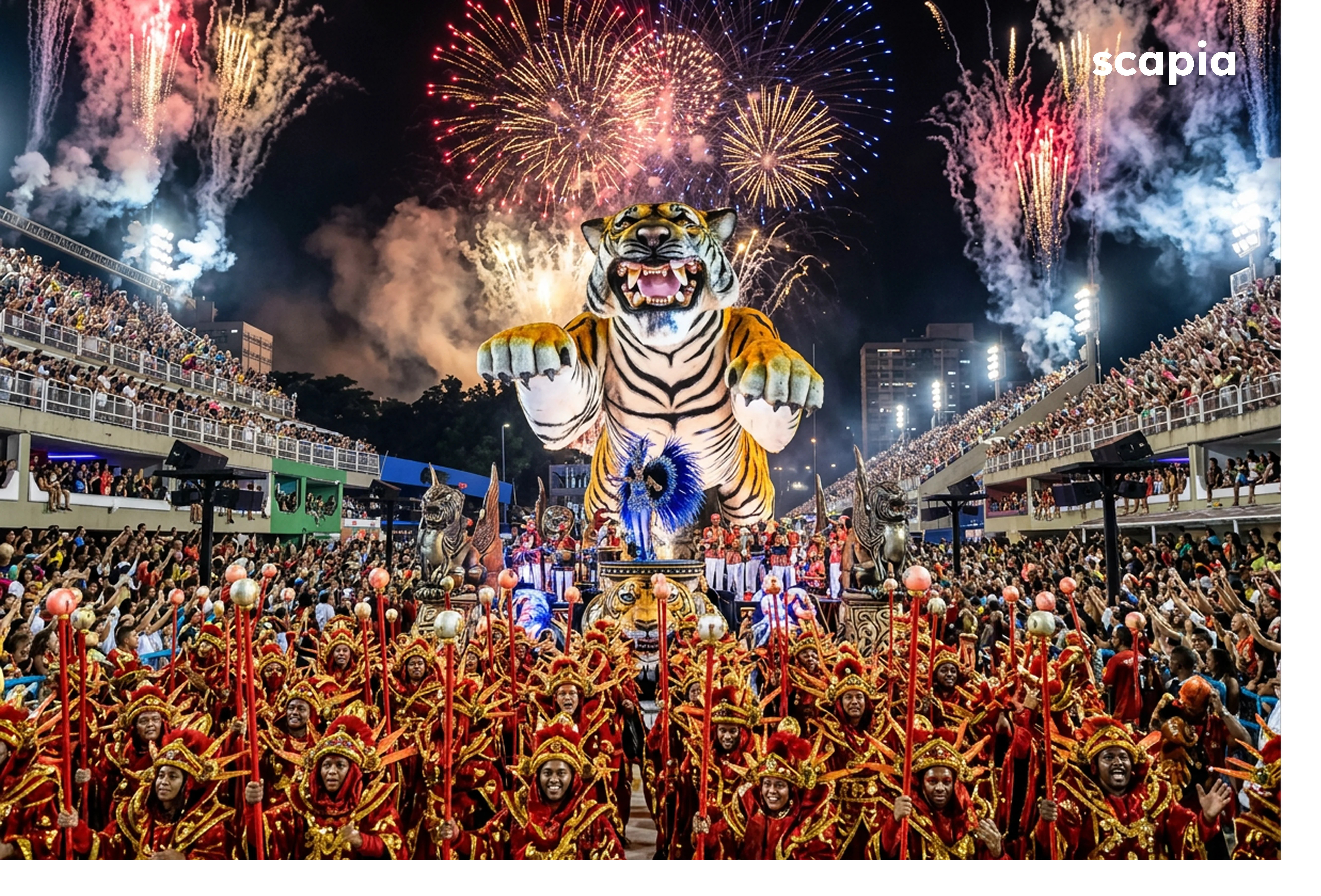
Rio Carnival is not one event happening in one corner of the city. For days, Rio runs on samba.
The headline act is the Sambadrome parade, where samba schools compete with elaborate floats, costumes, live percussion and tightly choreographed performances. Outside the arena, hundreds of blocos, or street parties, take over neighbourhoods across Rio, ranging from small local gatherings to crowds that fill entire avenues.
That mix is what makes Carnival worth travelling for. You can book a seat for the big parade, spend the next day following a street bloco, or simply walk through a city that has temporarily rewritten its normal routine.
Good to know: Carnival dates change each year, and flights, hotels and Sambadrome tickets get expensive quickly. If Rio Carnival is the main reason for your trip, sort the big bookings early rather than building the plan at the last minute.
2. La Tomatina, Spain: One Hour, Thousands of Tomatoes
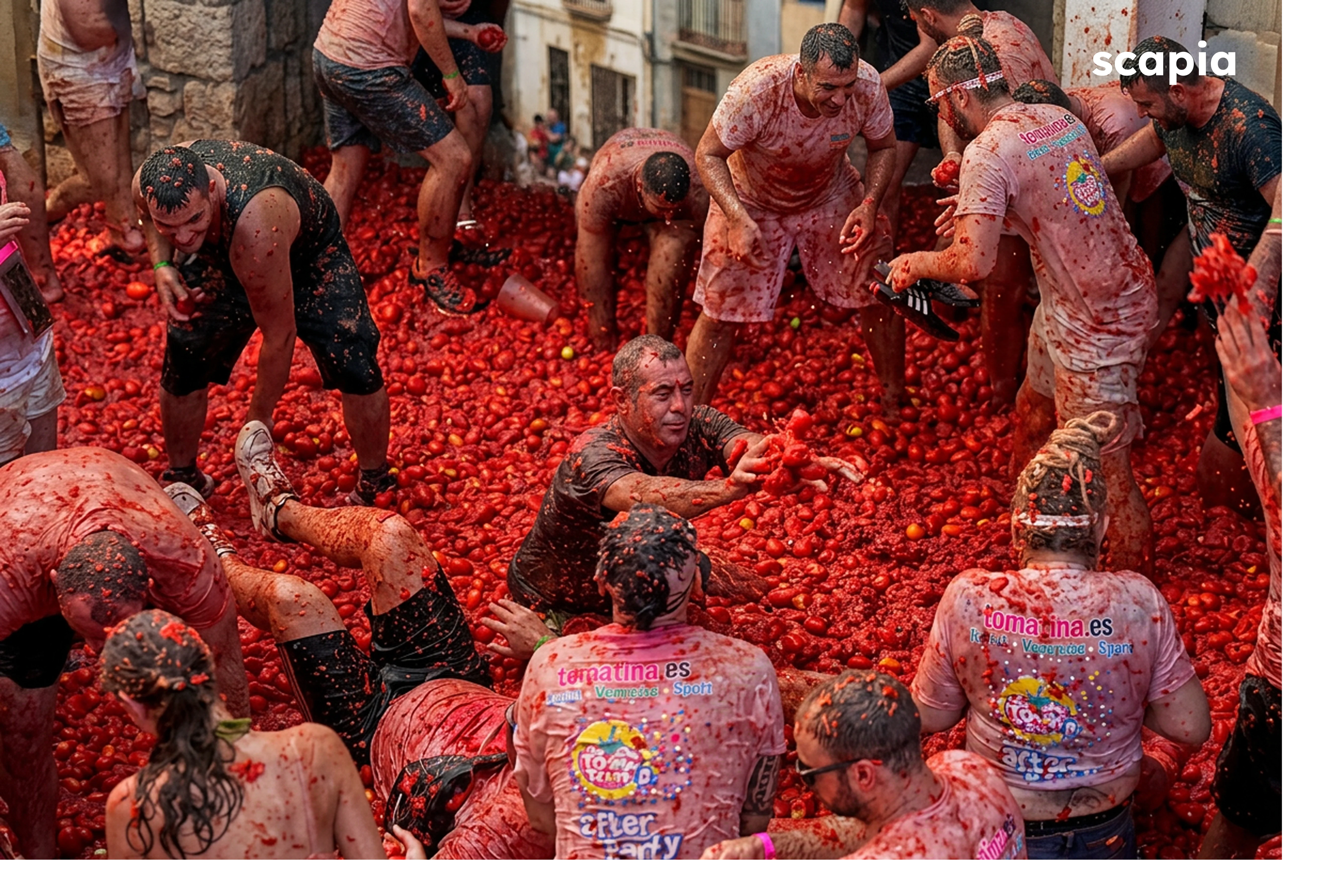
For most of the year, Buñol is a small Spanish town near Valencia. On the last Wednesday of August, the streets become the setting for La Tomatina, a huge tomato fight that draws visitors from around the world.
Once it begins, there is not much standing on the sidelines. Trucks bring tomatoes into the town centre, the crowd gets to work, and within minutes the streets are covered in red pulp. The tomato fight itself lasts for about an hour, which sounds short until you are in the middle of it.
If La Tomatina in Spain is on your list, treat it as an event you travel for rather than something you casually add to a Valencia itinerary. Entry is ticketed, numbers are controlled, and accommodation around Buñol and Valencia gets busier around festival day.
Good to know: Wear clothes and shoes you are happy to ruin, carry as little as possible, and protect your phone and other essentials in a waterproof pouch.
3. Chinese New Year: More Than a Countdown to Midnight
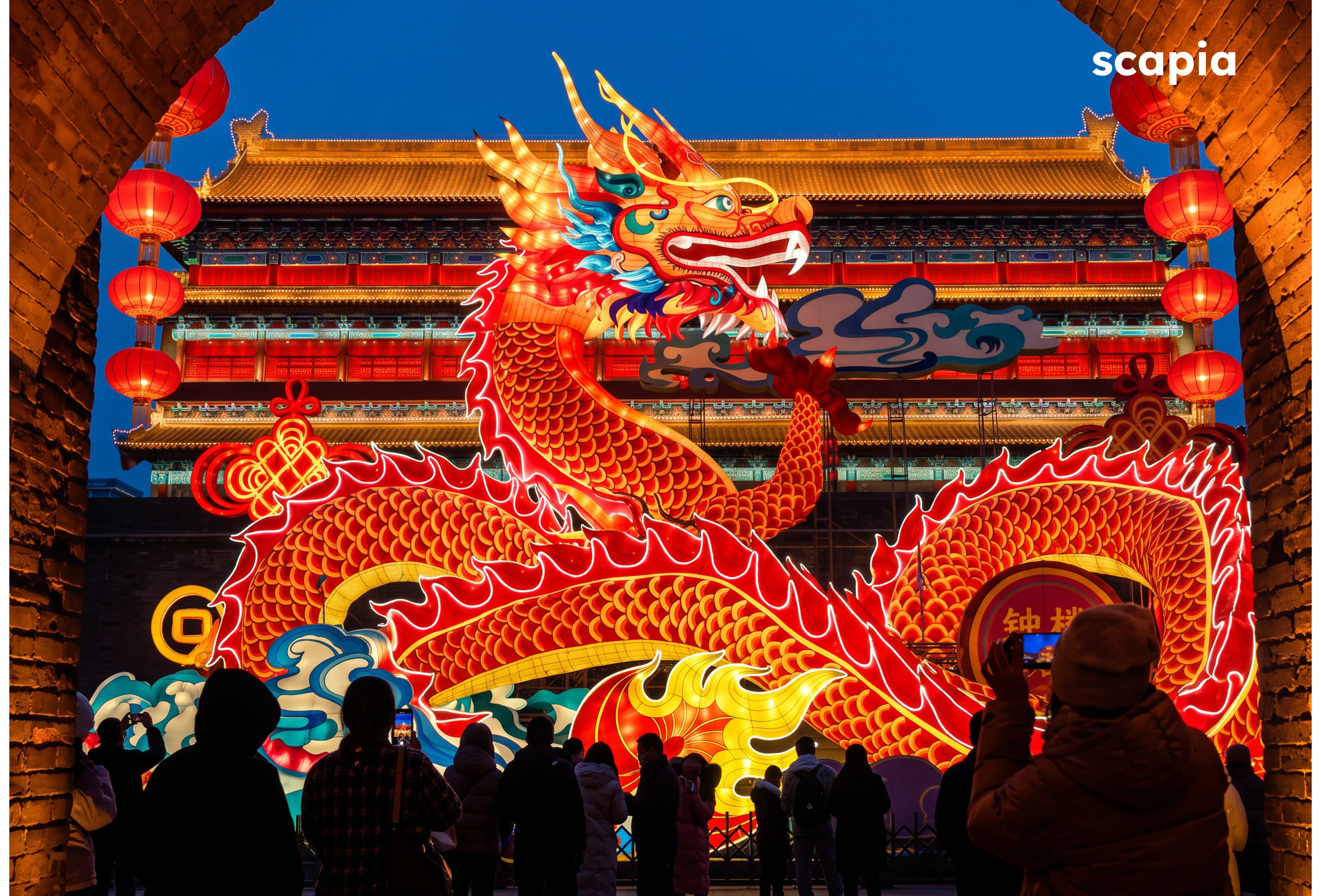
Chinese New Year, also known as Lunar New Year or Spring Festival, is less about one big night and more about a stretch of celebrations built around family, food and tradition. Red decorations go up, families gather for reunion meals, and streets come alive with lion and dragon dances, temple visits and festive markets.
The celebrations are biggest across China, though you will also find major events in places such as Singapore, Hong Kong and Chinatowns around the world. The festival eventually leads into the Lantern Festival, which marks the close of the traditional New Year period.
For travellers, the appeal is seeing familiar cities shift into festival mode. The trade-off is that Lunar New Year is also one of the busiest travel periods in the region, with heavy demand for trains, flights and accommodation.
Good to know: The dates change each year because the festival follows the lunar calendar. Check the exact dates before booking, and plan transport well ahead if you are travelling within China during the holiday period.
4. Mardi Gras, New Orleans: Parades, Krewes and a City in Carnival Mode
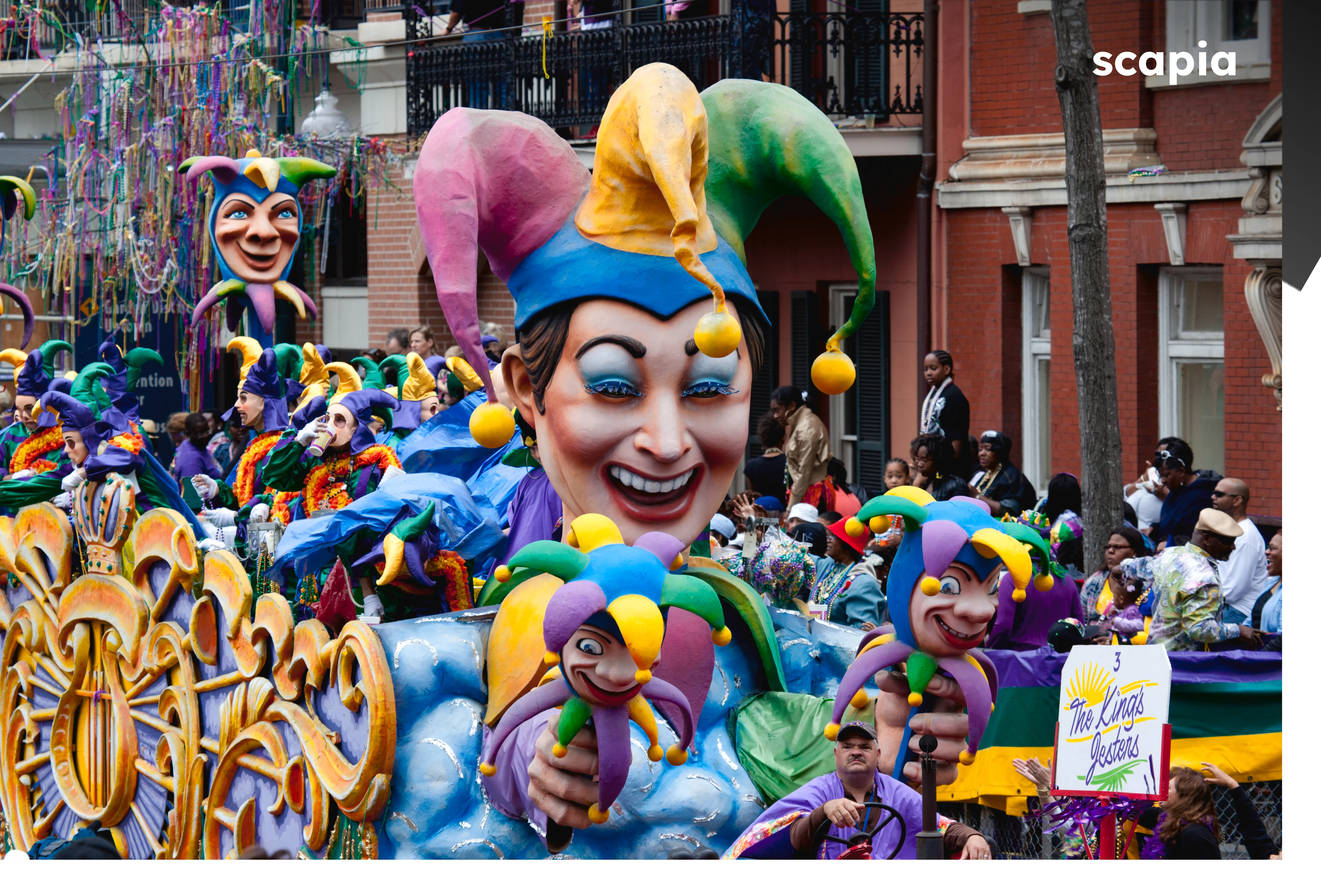
New Orleans does not wait until Mardi Gras day to start celebrating. Carnival season builds over several weeks, with parades rolling through the city, marching bands on the streets and elaborate floats created by local organisations known as krewes.
The biggest parades take place in the run-up to Fat Tuesday, when crowds line the routes to catch beads and other throws from passing floats. Costumes, king cake and neighbourhood traditions add to the experience, making Mardi Gras much more than one crowded night in the French Quarter.
If you are travelling specifically for Mardi Gras, choosing your dates matters. Arrive too late and you miss much of the build-up; stay for the final weekend and Fat Tuesday, and you get the festival at its busiest.
Good to know: Parade routes and schedules vary each year, so check the official Mardi Gras calendar before booking your stay. Accommodation fills quickly around the final days of Carnival.
5. Songkran, Thailand: Expect to Get Soaked
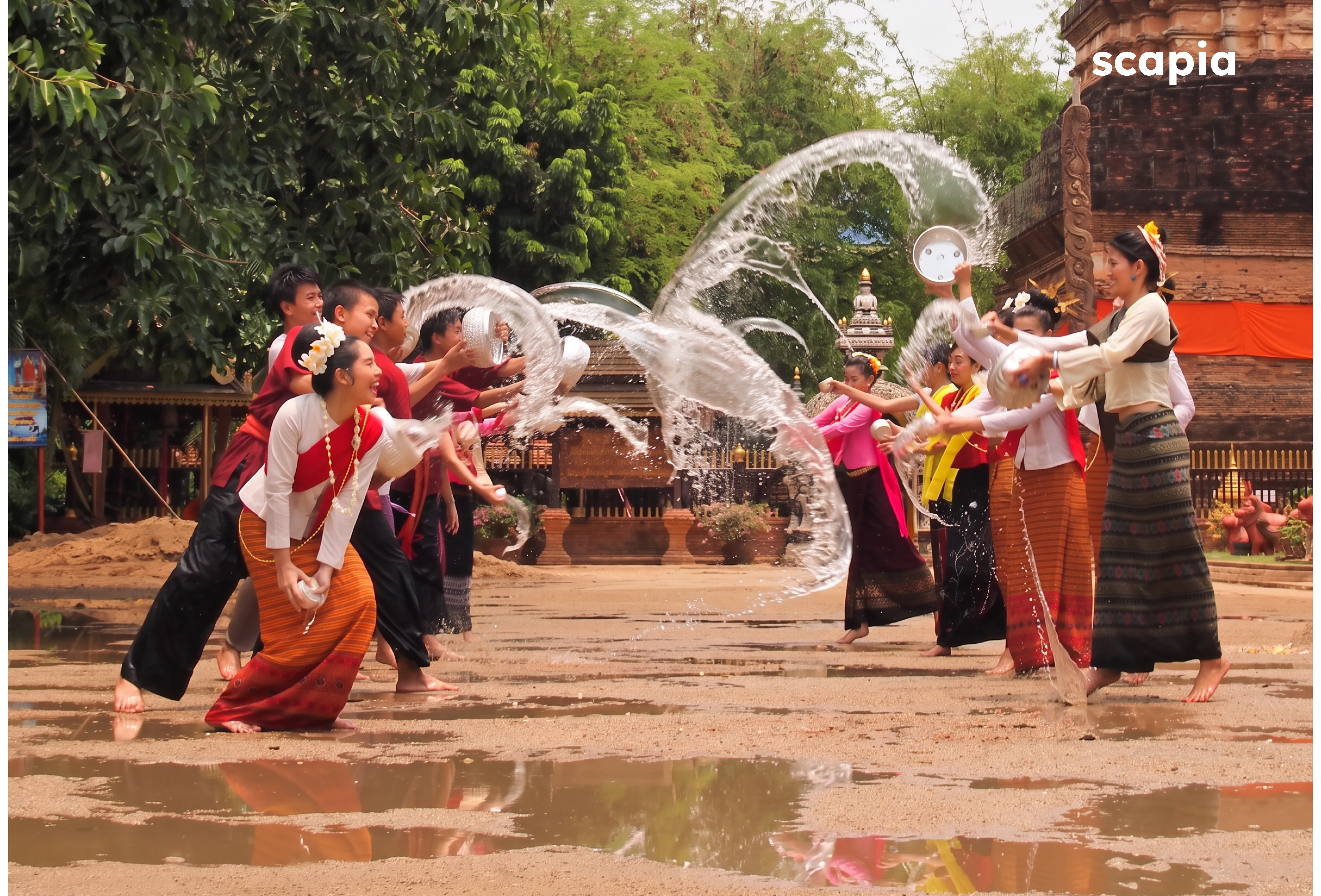
Visit Thailand during Songkran and staying dry is almost impossible. The Thai New Year celebration takes place every April, with streets turning into huge water-fight zones as locals and travellers step out with water guns, buckets and very little chance of making it back untouched.
The water fights are only one side of Songkran. The festival also has a more traditional side, with temple visits, merit-making and water used as a symbol of cleansing and renewal. Bangkok brings large street celebrations, while Chiang Mai is one of the most popular places to experience the festival over several days.
If Songkran is the reason for your Thailand trip, plan around the crowds rather than fighting them. Popular areas get packed, transport slows down and anything in your pockets is fair game for a soaking.
Good to know: Carry a waterproof pouch for your phone, passport and cash, and check the latest Thailand’s visa and entry requirements before you travel.
6. Holi, India: Where Colour is Only Part of the Story
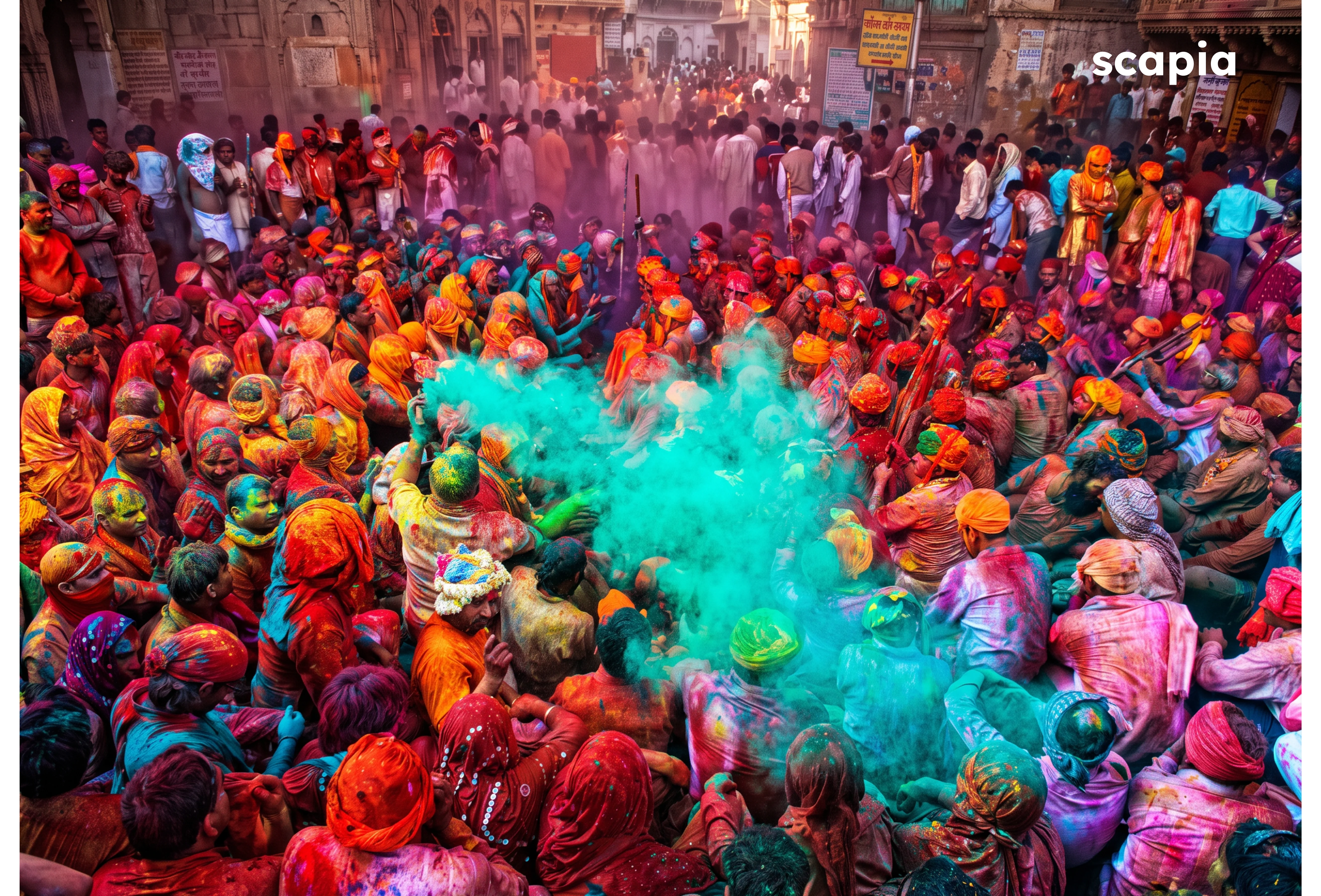
Holi gets plenty of attention for the colour, but the festival makes much more sense once you see the traditions around it. Celebrations begin with Holika Dahan, when bonfires are lit on the eve of Holi, followed by the better-known day of gulal, water, music and gatherings.
For travellers, Holi in Mathura and Vrindavan offers a particularly distinctive experience. The Braj region is closely associated with Krishna, and celebrations stretch beyond a single day, with different temples and towns following their own traditions. In and around Vrindavan, you may come across flower-filled celebrations, temple gatherings and large public events, while nearby Barsana is known for Lathmar Holi.
That also means Holi here takes a little more planning than simply arriving on the main festival date. Crowds build quickly, roads may become difficult to navigate, and different celebrations happen on different days.
Good to know: Wear clothes you do not mind staining, keep your phone and valuables protected, and check the local Holi calendar before planning your time in Mathura and Vrindavan.
7. Día de los Muertos, Mexico: A Celebration of Life, Memory and Family

Skulls, marigolds and candlelit altars may be the images most travellers recognise, but Día de los Muertos, or Day of the Dead, is not Mexico’s version of Halloween. Held around November 1 and 2, the festival is rooted in remembering and honouring loved ones who have died.
Families create ofrendas, or altars, with photographs, candles, flowers and favourite foods, while cemeteries and public spaces become part of the celebrations. Traditions vary across Mexico, so the experience in Mexico City may look very different from what you find in Oaxaca or smaller communities.
For travellers, that mix of public celebration and deeply personal tradition is what makes Día de los Muertos stand out. Parades, elaborate costumes and street events may draw the crowds, but the meaning behind them matters just as much.
Good to know: Treat altars, cemeteries and religious traditions with respect, and ask before photographing people during personal or family observances. If you are travelling specifically for the festival, book early as popular destinations get busy around the first days of November.
8. Kumbh Mela, India: A Gathering on a Different Scale
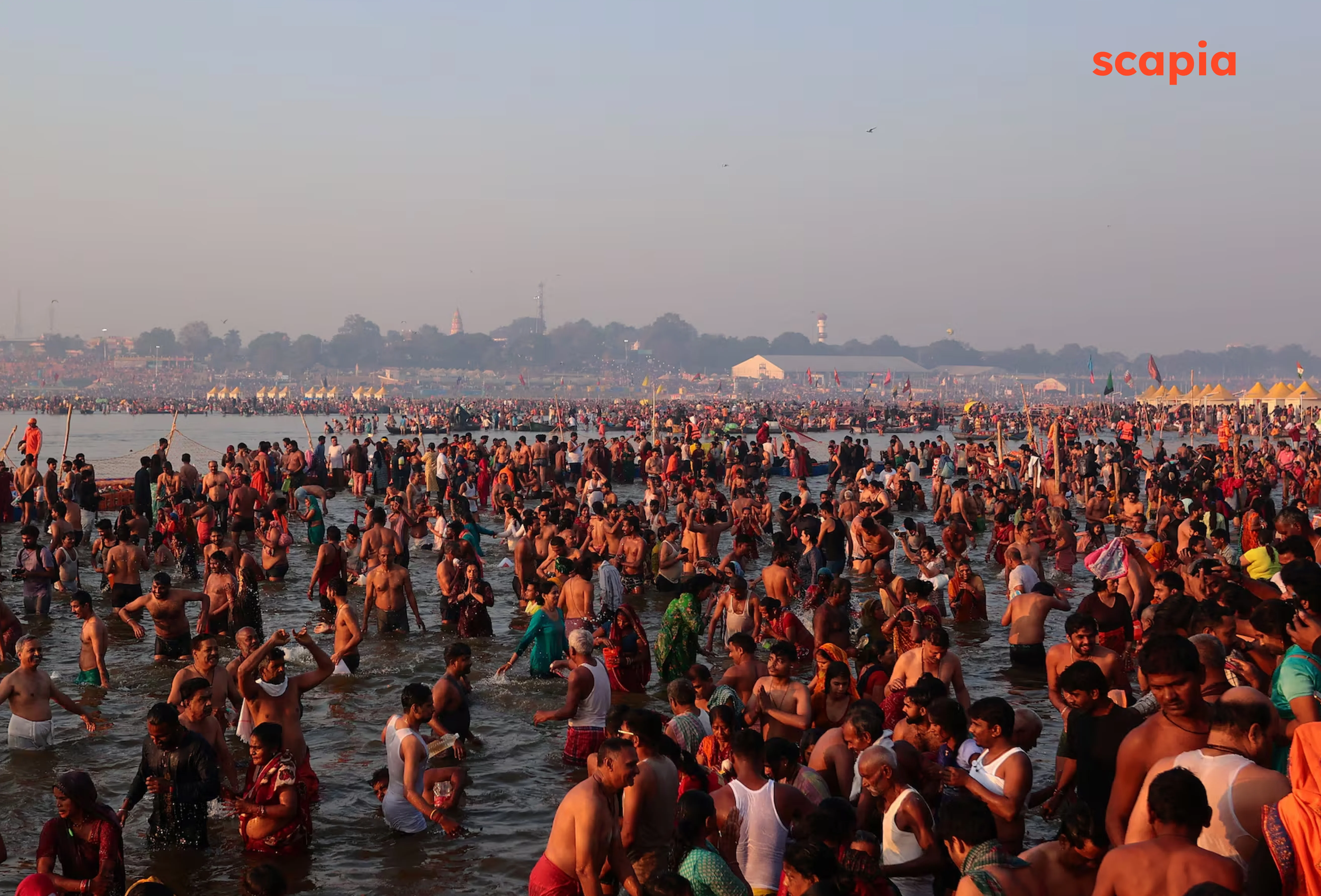
Few festivals make the word “big” feel quite as literal as Kumbh Mela. The Hindu pilgrimage brings millions of people together for ritual bathing, prayer and religious gatherings, making it one of the largest human congregations in the world.
Kumbh Mela rotates between Prayagraj, Haridwar, Nashik and Ujjain, rather than taking place in the same city every year. The timing follows a religious and astrological calendar, with different forms of the Kumbh held at different intervals. That makes it very different from an annual festival you simply pencil into the same month every year.
For travellers, the scale is only part of the experience. Temporary settlements, processions, spiritual discourses and gatherings of sadhus turn the host city into a vast pilgrimage centre for the duration of the event.
Good to know: Check which Kumbh is taking place and the confirmed dates before planning a trip. Major bathing days draw the heaviest crowds, so accommodation, transport and movement around the festival area require considerably more planning than on regular days.
9. Oktoberfest, Germany: Beer Is Only Half the Story
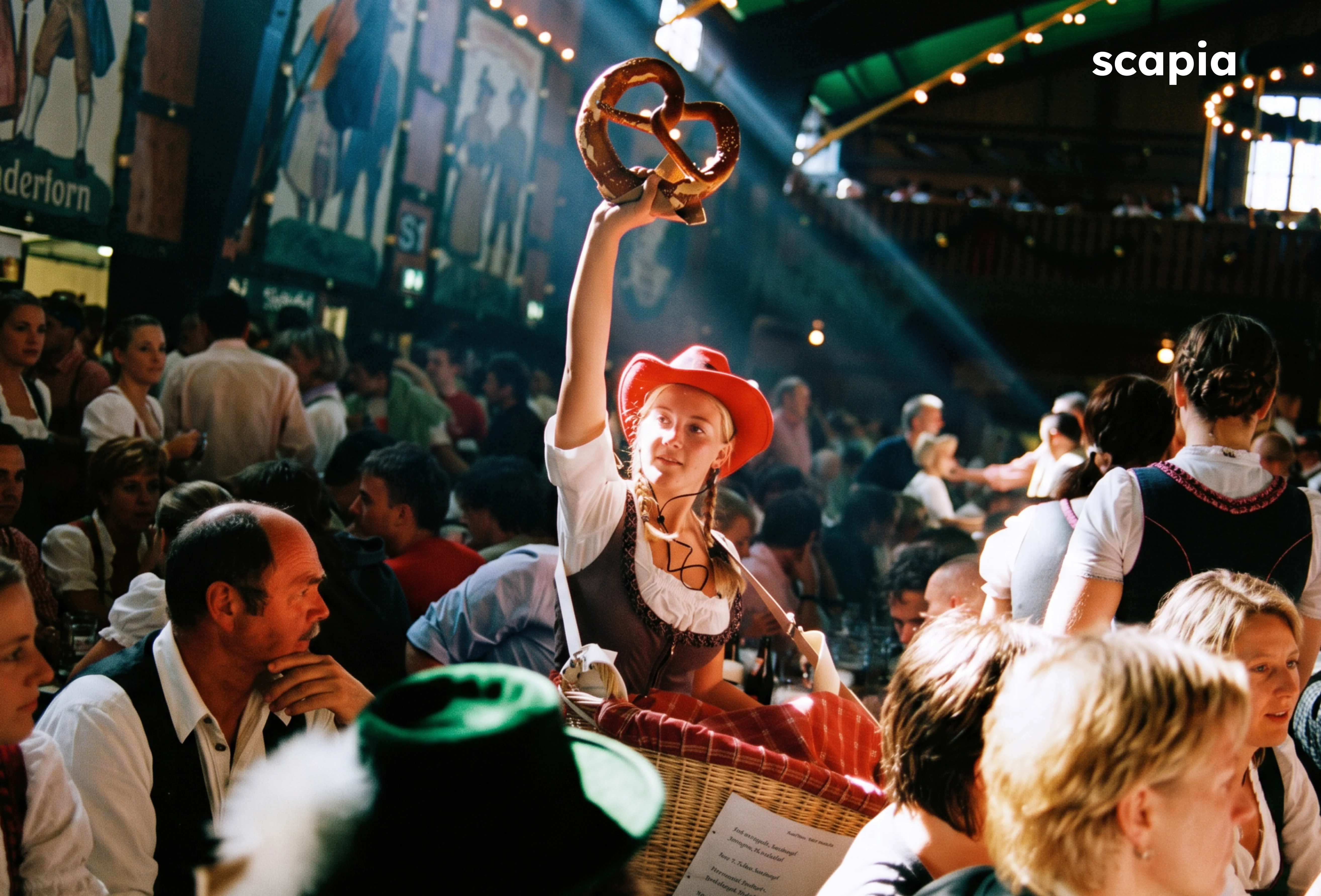
Oktoberfest may have beer in the spotlight, but Munich’s biggest annual celebration is just as much about Bavarian culture. Huge festival tents fill with live music and communal tables, traditional outfits are everywhere, and the grounds come packed with food stalls, rides and parades.
The festival usually runs from late September into early October, which surprises anyone expecting it to happen entirely in October. Each tent has its own atmosphere, from lively music-heavy spaces to more traditional settings, so your experience depends a lot on where and when you go.
You can enter the festival grounds without turning the whole day into a beer crawl. Try Bavarian food, explore the fairground, catch a parade or simply settle into a tent and take in the atmosphere.
Good to know: Munich gets very busy during Oktoberfest. Book accommodation early, and if there is a particular tent you want to visit, check its reservation rules before your trip rather than relying on a walk-in.
10. St Patrick’s Festival, Ireland: Dublin Goes Green
.webp)
St Patrick’s Day may be celebrated around the world, but Dublin is where you experience it at its source. Every March, Ireland’s capital hosts St Patrick’s Festival, bringing parades, live music, performances and crowds onto the streets for several days of celebrations.
The main parade is the headline event, with elaborate floats, marching bands and performers moving through central Dublin. Around it, the festival programme spreads across the city with cultural events, music and plenty happening beyond the parade route.
Its international recognition is part of the appeal. You probably already know the green clothes and shamrocks; travelling to Dublin gives you the Irish culture and traditions behind them.
Good to know: Dublin gets particularly busy around March 17, so book accommodation early and check the official festival programme before deciding which days to stay.
How to Plan a Trip Around a Major Festival
Travelling around festivals needs a little more planning than a regular holiday. Dates shift, hotel rooms fill out faster, transport gets crowded and some events sell out long before you arrive. Get the basics sorted early, and you can spend the trip enjoying the festival instead of fixing logistics.
Lock the Festival Dates Before You Book
Not every festival follows the regular calendar. Holi, Diwali and Chinese New Year follow lunar or religious calendars, while events such as Rio Carnival change dates each year.
Check the official festival dates first, then book your flights and stay around them. For multi-day celebrations, arriving a day or two early also gives you time to settle in before the busiest events begin.
Check Whether You Need Tickets
Some festivals spill freely onto the streets, while others have ticketed events within the larger celebration. La Tomatina requires entry tickets, Rio Carnival has ticketed Sambadrome parades, and Oktoberfest tent reservations may be worth arranging if you have a particular experience in mind.
Do not assume showing up is enough. Check what requires advance booking before you build the rest of your itinerary.
Sort Your Visa and Entry Requirements Early
A festival date may be fixed. Visa processing timelines are not always as convenient.
If you are travelling from India, check the latest entry requirements for your destination well before departure. For trips to Thailand, Vietnam or Sri Lanka, this is also a natural point to check guides on the Thailand visa and TDAC for Indians, Vietnam e-Visa for Indians, and Sri Lanka visa or ETA requirements.
Prepare for Festival Crowds
Big festivals mean packed streets, slower traffic and higher demand for public transport. Stay within easy reach of the main festival area where possible, save important addresses offline and agree on a meeting point if you are travelling with a group.
Carry only what you need for the day. A charged phone, some local currency and a secure bag go a long way when thousands of people are moving through the same streets.
Know What You Are Joining
Not every festival is simply a party. Holi, Songkran, Vel Festival, Diwali and Chinese New Year all carry religious, cultural or family traditions that go well beyond what visitors see on the street.
Read up before you join in, follow local cues and know when it is better to watch than participate. It makes the experience better for you and more respectful for the people celebrating it.
How Scapia Makes Travel Easier
A festival trip already comes with enough moving parts: flights, hotels, tickets, local spends and dates you cannot casually shift. Scapia helps keep the travel side of that plan in one place.
Book the Trip on the Scapia App
You can book flights, hotels, buses, trains, visas and experiences through the Scapia app. Eligible travel bookings currently earn 20% rewards back as Scapia Coins, which you can put towards future travel.
Skip the Forex Markup Abroad
Festival travel also means spending in different currencies, whether you are buying dinner in Munich or paying for transport in Rio. Scapia’s co-branded credit cards currently offer zero forex markup on international spends, helping you avoid the foreign-currency markup charged by many regular credit cards.
Check Your Airport Benefits Before You Fly
Eligible Scapia cardholders also have access to airport privileges based on applicable spend and booking criteria. Since eligibility and benefits may change, check the latest details in the Scapia app before your trip rather than planning around an old threshold.
Which World Festival Belongs on Your Travel List Next?
The biggest festivals in the world are worth travelling for because they let you experience a destination at a moment that feels completely different from an ordinary visit.
The right one depends on what draws you in, whether that is music, food, tradition, colour or sheer spectacle. Pick the experience first, check the dates early and build the rest of the trip around it. Sometimes, the festival is the itinerary.
Got a festival trip on your calendar? Explore the Scapia Co-branded Credit Card and see how it fits into your travel plans.
FAQs
1. What is officially considered the largest festival in the world by attendance?
There is no single global authority that officially ranks every festival by attendance. By reported footfall, though, Maha Kumbh 2025 in Prayagraj, India, stands out. Official estimates recorded more than 660 million visits over 45 days, and it was described as the world’s largest human gathering. The figure represents cumulative visits rather than 660 million unique individuals.
2. Which global festivals are included in the top 10 must-experience list?
Our list includes Rio Carnival in Brazil, La Tomatina in Spain, Chinese New Year, Mardi Gras in New Orleans, Songkran in Thailand, Holi in India, the Hoi An Full Moon Festival in Vietnam, Vel Festival in Sri Lanka, Oktoberfest in Germany and Diwali in India. Together, they cover everything from street celebrations and religious traditions to food, parades and large-scale public events.
3. What is the best time of year to visit major international festivals like Rio Carnival or Oktoberfest?
It depends on the festival. Rio Carnival generally falls in February or March, while Oktoberfest runs from late September into early October. For example, Oktoberfest 2026 runs from September 19 to October 4. Since festival dates may shift each year, check the confirmed schedule before booking flights.
4. How far in advance should accommodation and tickets be booked for top global festivals?
For major festivals such as Rio Carnival and Oktoberfest, six to twelve months ahead is a sensible target for accommodation if you want more choice on location and price. Book ticketed events as soon as official sales open. La Tomatina, for example, requires an official ticket for entry, while Oktoberfest tent reservations are handled separately by individual tents and are especially useful for busy evenings and weekends.
5. Which major world festivals are family-friendly versus adult-oriented?
Chinese New Year, Diwali, the Hoi An Full Moon Festival and Vel Festival are generally easy to experience as a family when you choose suitable locations and timings. Mardi Gras is also family-friendly away from the heavier party areas, while Oktoberfest has dedicated Family Days and specific rules for children in beer tents.
La Tomatina’s main tomato fight is better suited to adults and older travellers because of the crowds and physical nature of the event, although organisers also run a separate children’s Tomatina. Rio Carnival, Songkran and Holi may work for families too, though the experience varies greatly by neighbourhood and event.
6. What is the difference between cultural, religious and music-focused global festivals?
A cultural festival centres on local traditions, food, dress, history or community identity. A religious festival has faith, worship or ritual at its core. A music-focused festival is built primarily around live performances and artists.
The lines are not always neat. Songkran, for example, combines Thai New Year traditions and Buddhist practices with the water celebrations travellers usually associate with it. Rio Carnival is deeply cultural, while samba and live performance are central to the experience.
7. How do safety and crowd management differ across massive international celebrations?
It depends on how the festival is organised. Ticketed events such as La Tomatina control access and publish specific safety rules, while venue-based festivals such as Oktoberfest use security checks, bag restrictions and on-site police. Open street celebrations rely more heavily on road closures, barriers, designated parade routes and local authorities managing crowd flow.
As a traveller, follow official routes and security instructions, avoid obvious bottlenecks, keep valuables secure and agree on a meeting point if you are attending with others.
8. What are the key cultural etiquette rules travellers should follow when attending global festivals?
Start by remembering that you are joining someone else’s celebration. Dress appropriately around temples and religious sites, avoid interrupting rituals, follow photography rules and give processions space to pass.
Participatory festivals have their own etiquette too. Do not assume everyone wants colour or water thrown at them, and follow event-specific rules. At La Tomatina, for instance, participants are instructed to squash tomatoes before throwing them, stay clear of the trucks and stop when the signal is given.
9. Which top festivals require official entry tickets or permits, and which are open to the public?
La Tomatina requires an official ticket, while Rio Carnival’s Sambadrome parades are ticketed. Mardi Gras street parades are free to watch, although grandstands, balls and some private events charge separately.
Oktoberfest’s main festival grounds and beer tents have free entry, although reservations may help secure a table and the separate Oide Wiesn section charges admission. Celebrations such as Holi, Songkran, Diwali, Chinese New Year and Vel Festival largely take place in public spaces, though individual parties, attractions or organised experiences may require tickets.
10. What are the best budget-friendly tips for attending major world festivals?
Book flights and accommodation before demand peaks, stay near a good public transport connection rather than paying for the most central hotel, and prioritise free public celebrations over premium packages.
You also do not necessarily need to pay for the headline experience. Mardi Gras parades are free, and admission to the main Oktoberfest grounds is free as well. Spend on the parts that matter most to you rather than buying every festival package available.
11. Which country hosts the highest number of large-scale cultural and religious festivals?
There is no authoritative global ranking that counts every cultural and religious festival by country, so it would be misleading to name one country as the official winner. India certainly has one of the world’s broadest festival calendars, with celebrations varying by religion, state, season and local tradition. India’s official Utsav platform alone features information on more than 100 festivals, events and live darshans across its states and union territories, though that does not prove India ranks first globally.
12. What items or essential gear should tourists pack for high-crowd events like Songkran or La Tomatina?
Pack for the festival rather than for a normal sightseeing day. For Songkran, a waterproof phone pouch, quick-drying clothes and secure footwear make sense. For La Tomatina, organisers recommend old clothes, shoes with good grip, eye protection such as goggles and a waterproof camera or phone case.
For crowded festivals in general, keep it light: carry your phone, portable charger, small secure bag, sunscreen, water where permitted and only the essentials you need for the day. Always check the event’s bag rules first. Oktoberfest, for example, currently restricts bags to a maximum of three litres and prohibits glass bottles and several other items.
13. When is the Cherry Blossom Festival in Japan?
Japan does not have one nationwide cherry blossom festival. Sakura season generally moves across the country from south to north during spring, with popular destinations such as Tokyo and Kyoto usually seeing blooms around late March or early April.
Cities, parks and temples hold their own cherry blossom festivals, hanami gatherings and evening illuminations around peak bloom. If you are planning a cherry blossom trip to Japan, follow the annual bloom forecast and check local event dates before fixing your itinerary.